Roshan Blog
Mon, 2 Mar 2026
What You Should Know Before Come To Salalah Oman
There is a kind of travel wisdom that no guidebook can teach. It lives in the small, habitual things people do every day. In Oman, and in Salalah especially, that wisdom is generous, calm, and surprisingly deliberate. If you want to travel and hotel in Mirbat, Salalah and leave with more than photos, learn what the locals already know. These are the customs, hidden places, gentle routines, and heartwarming behaviors that shape life in Oman. Learn them, and your trip will feel less like a visit and more like being quietly invited into a different way of being.
The welcome you will receive is not an act of service. It is a social covenant
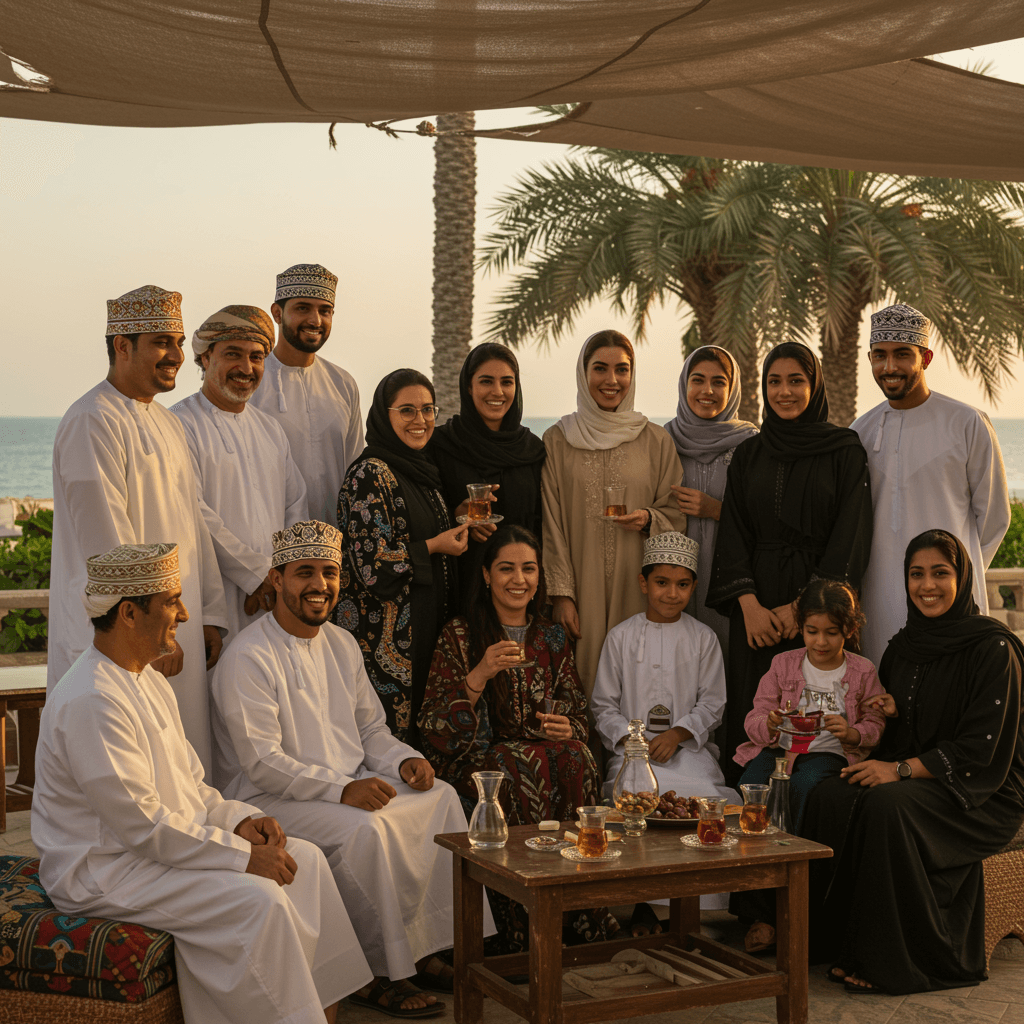
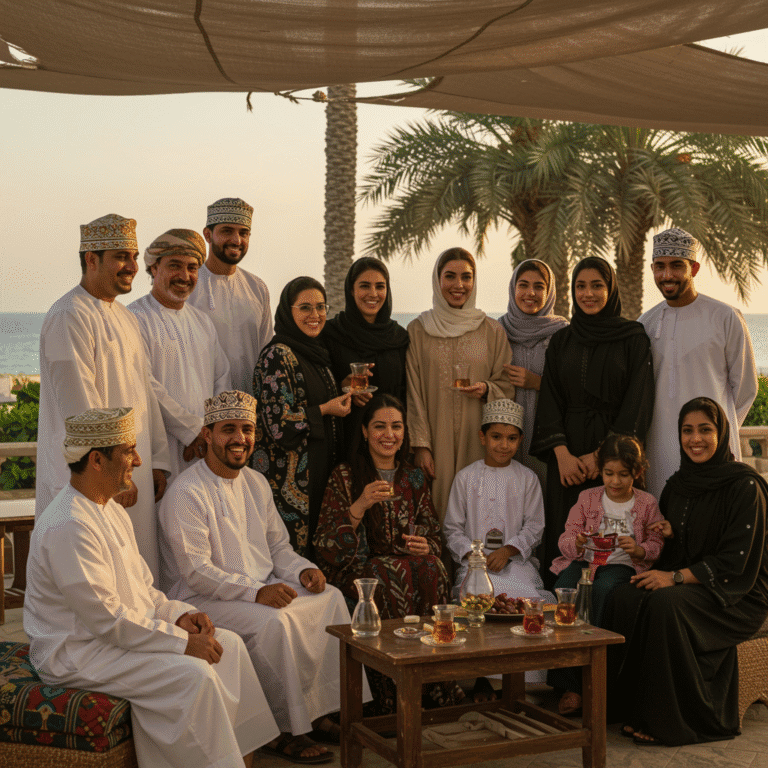
Omani hospitality is not a staged performance. It is embedded in daily life. From the first Salaam to the last cup of kahwa, local hospitality is an expression of relationship rather than a transaction. In Salalah, a stranger arriving at a village, in a hotel in Mirbat, is often treated the way a family member would be treated. If you take a driver to a remote beach, do not be surprised if a fisherman offers you tea, pulls the hood over your shoulders when the wind bites, or insists you join his family for a simple lunch. In Omani culture hospitality is a moral expectation. A host does not merely feed a guest; they honor the guest’s presence.
Salalah’s khareef — a weather miracle and a way of life
One of the best secrets of Salalah is the khareef season, when monsoon winds paint the Dhofar mountains and coast in unexpected green. Locals plan around khareef as much as festival calendars are planned elsewhere. Schools, markets, and family outings shift to accommodate the rain and the incense-scented humidity. The khareef is not merely a weather event; it is a cultural rhythm. People take to the wadis and gardens in the mist, children chase waterfalls in rubber boots, and grandparents sit under awnings telling stories while the rain drums on tin roofs. For visitors, the landscape is a revelation. For locals, it is a reminder that patience with patterns is a form of wisdom.
How locals spend a typical day — slow, focused, relational
Forget the tourist checklist for a moment. An average day for many Omanis begins with prayer and family time. Breakfast can be simple bread, honey, and kahwa shared in the living room. Work follows, but work in Oman often respects pauses and relationships. A midday break can be long. Shops close for prayer hours and open again for the evening rush. The late afternoon and evening are social. Families gather to walk on the corniche, visit the souq, or sit in the majlis — the communal sitting room — sharing dates, news, and laughter. This rhythm encourages presence, not productivity at all costs. The lesson: the day is meant to be lived rather than conquered.
The majlis — where you learn about life
The majlis is a quiet school. It is where disputes are mediated, news is exchanged, and children learn how to listen. Visiting a majlis is among the most human experiences you can have in Oman. Expect to be offered coffee and dates, then a question about your family and origin. The majlis teaches patience. Conversations are circular, not linear. People revisit stories and laugh at the same lines again. If Western culture prizes directness, Omani discourse treasures connection. This approach is not evasive. It is relational. You will leave a majlis with a story told with many voices and a stronger sense of belonging.
Why Omanis are so friendly
There is historical and spiritual soil where friendliness grows. Oman has long been a crossroads of trade, pilgrimage, and maritime exchange. Salalah’s frankincense trees were once part of a global trade that connected Arabia to Rome and China. That long history of meeting others has cultivated practical hospitality. Spiritually, Omani society emphasizes compassion, respect for elders, and community solidarity. Practically, many families rely on tourism, fishing, or small-trade networks, which create daily interactions with strangers. The result is a people comfortable with generosity. But do not mistake friendliness for naiveté. Omanis are discerning and gracious.
Simple gestures with deep meaning
Small acts carry weight in Oman. Accepting a cup of kahwa with your right hand shows respect. When someone removes their shoes at a door, it is both sanitary and symbolic. If offered dates, take one or two; refusing a hospitable offering without a careful explanation can be awkward. In markets, bargaining is part of the dance, but it is done with smiles. If someone offers you a lift and you decline, it is polite to thank them and say why. Reciprocity matters. These gestures are not rules to memorize but ways to participate in mutual regard.
How children grow up — curiosity, nature, and storytelling
Children in Salalah are often raised where the town meets rock, sand, and sea. They learn to climb wadis, to spot frankincense trees, and to treat elders with obvious affection. Play is outdoors, and education weaves together modern schooling and oral traditions. Storytelling is a beloved skill. Families tell tales of seafaring ancestors, of generous traders, and of clever animals in local folklore. This storytelling culture produces empathy. Children learn to see perspectives and to value community narratives. They also learn how to be useful; kids help in simple household tasks and in local businesses.
Wandering off the beaten path — quiet treasures you must know
There are places tourists often miss that locals consider ordinary but beautiful. Walk the narrow lanes behind the main souq in Salalah early in the morning and you may see women hanging out cloth to dry, children racing as the air cools, and elders sipping tea. Drive inland toward the Jabal Samhan and pause at small pullouts to watch goats navigate cliffs with impossible ease. Visit Wadi Darbat after khareef and join local families who picnic under tamarisk trees. These scenes are low drama and high meaning. Locals will smile at your curiosity and offer directions, sometimes with an invitation to join their picnic.
Food and gatherings teach hospitality
Omani food is an act of welcome. Shuwa, lamb slow-cooked in an underground sand oven, is often prepared for festivals and family celebrations with careful patience over two days. Fresh fish is common in coastal towns, grilled with lime and local spices, and served with rice. Halwa and kahwa are gestures of friendship. The point is not exotic cuisine but shared time. When locals invite you to their table, they are asking you into their lives for a while. Accepting that invitation is often one of the most meaningful parts of travel.
The pace of time in Oman — a therapeutic lesson
One of the deepest lessons you can learn in Oman is about time. People do not rush for the sake of ticking boxes. They live according to natural cycles — prayer times, the rhythm of the market, the sun over the sea. This creates a slow, restorative tempo. If you are an anxious planner, Salalah will challenge you in a good way. Learn to allow a delay, accept an impromptu cup of coffee, and you will find your own calendar unwinding. This is not laziness. It is a different relationship to time that prioritizes presence over velocity.
Respectful curiosity — how to ask rather than assume
If you want to learn, ask with respect. People will usually answer openly but appreciate curiosity presented courteously. Begin with Salaam, and ask about family or work. Avoid prying into personal topics. Do not assume all women or men will behave the same way; every family has its own boundaries. When taking photographs, ask permission. Many locals enjoy being photographed when asked, and children especially love the novelty. If you are unsure whether a dress code applies, err on the side of modesty and then adjust based on local cues.
Faith and daily life — quiet devotion and communal observance
Faith matters in the rhythm of everyday life. Prayer is woven into the day, and Friday is a communal moment of rest and worship. During Ramadan, the city’s tempo adjusts drastically: the daytime slows, and evenings are alive with food, family, and generosity. Visitors who are attentive and respectful of these patterns are welcomed. But religion in Oman is lived gently. People are proud of tolerance and often invite questions. The point to remember is that spiritual practice informs public life but rarely proselytizes; it is mostly about shaping a considerate society.
When life feels heavy, watch how locals celebrate small joys
Omanis find reasons to celebrate small things — a good catch, a successful harvest of frankincense, a child’s first day at school. Weddings and weddings-adjacent hospitality last for days in some communities, and neighbors share the effort. Watch how older women bring out trays for coffee and sweets and how men gather to sing and recount local histories. These are communal medicines for the soul. They remind you that joy can be cultivated deliberately and shared widely.
Practical tips that feel like insider knowledge
- Carry small change for tipping or for buying dates in small shops.
- If invited into a home, accept something small even if you cannot stay. It honors the gesture.
- Respect prayer times, and understand that some shops close midday or at noon on Fridays.
- Bargain kindly in souqs, but remember the vendor’s livelihood.
- Dress modestly in towns; in more remote beach areas you will see relaxed attire, but in public towns modesty is appreciated.
- If you want to learn about frankincense, visit a local family who still harvest it; their stories will be more valuable than any museum exhibit.
Leave with more than pictures
Salalah and Oman offer more than dramatic dunes and the green surprise of khareef. They offer a perspective on how to live together with gentleness and intentionality. If you come ready to observe, to accept invitations, and to slow down, you will leave with something that does not fit into a suitcase: new habits of attention, new stories, and a quieter direction for your own days. Locals keep many things for themselves, but this is not one of them. The best local secret is simple and generous — take it with you, and it will change the way you travel and the way you live.
Our Roushan Resort family happy to host you on your discover journey.